
Period homes, probate and gardens around the cathedral and High Street
Llandaff’s older houses often hold fireplaces, doors and fittings that dealers will pay for, and the narrow lanes near the cathedral green need planning. We clear period and modern homes here, much of it bereavement and probate work. Send photos, including any original features you’re unsure about, and we’ll quote without obligation.
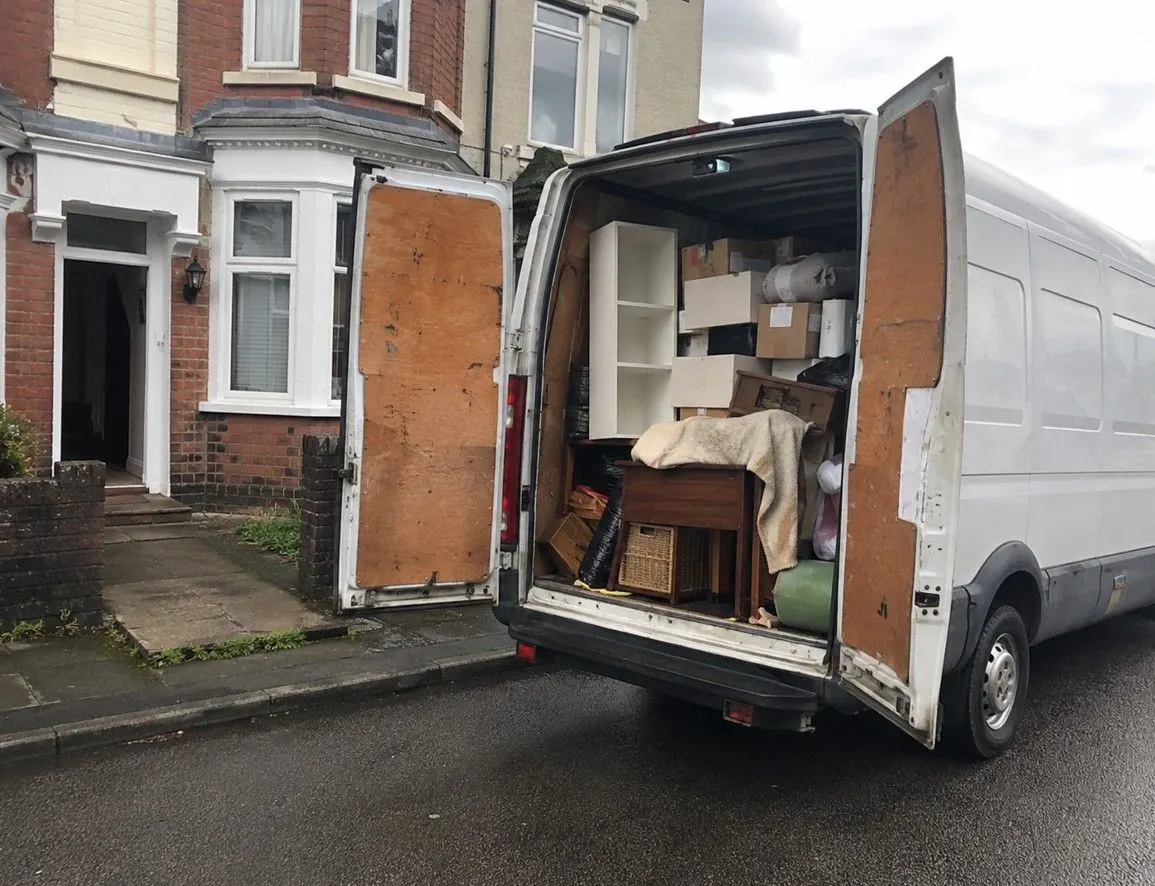
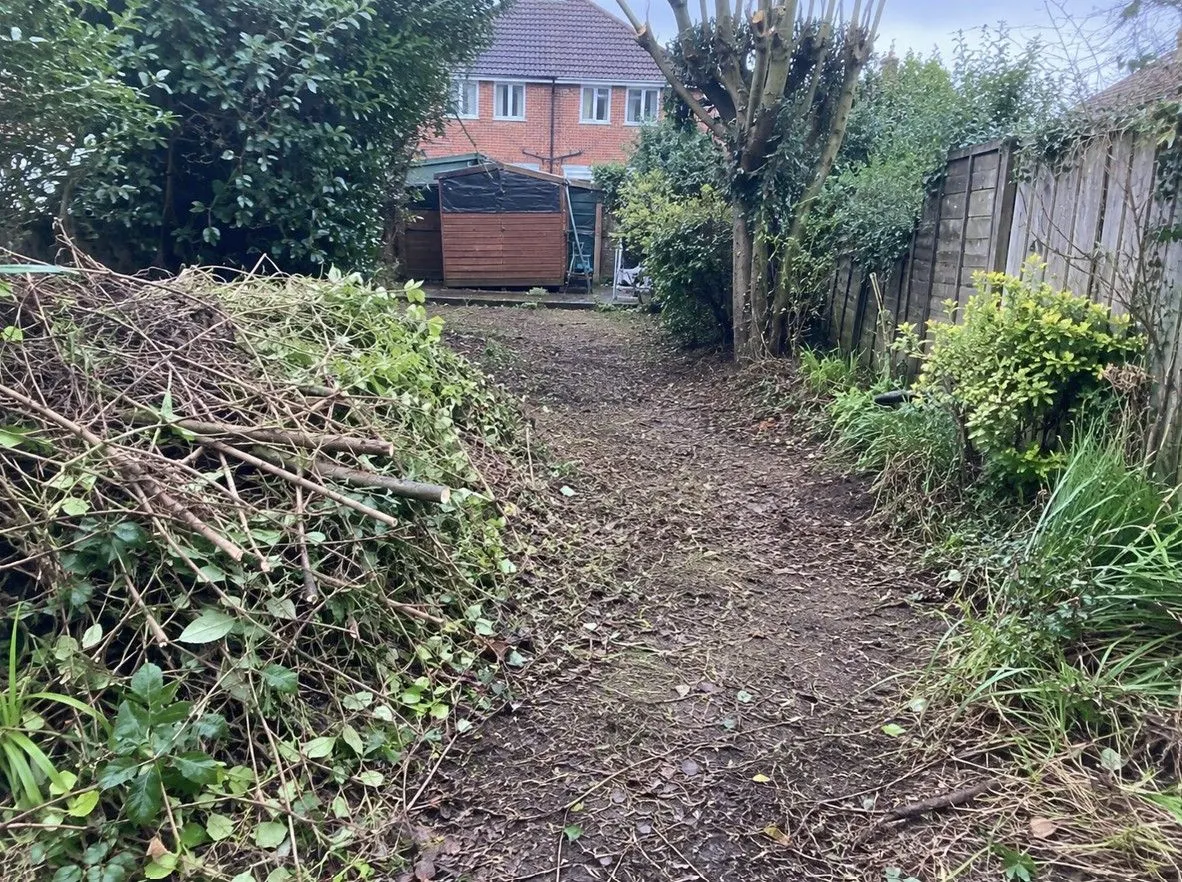
Older Llandaff gardens may hide stonework worth saving under years of growth.
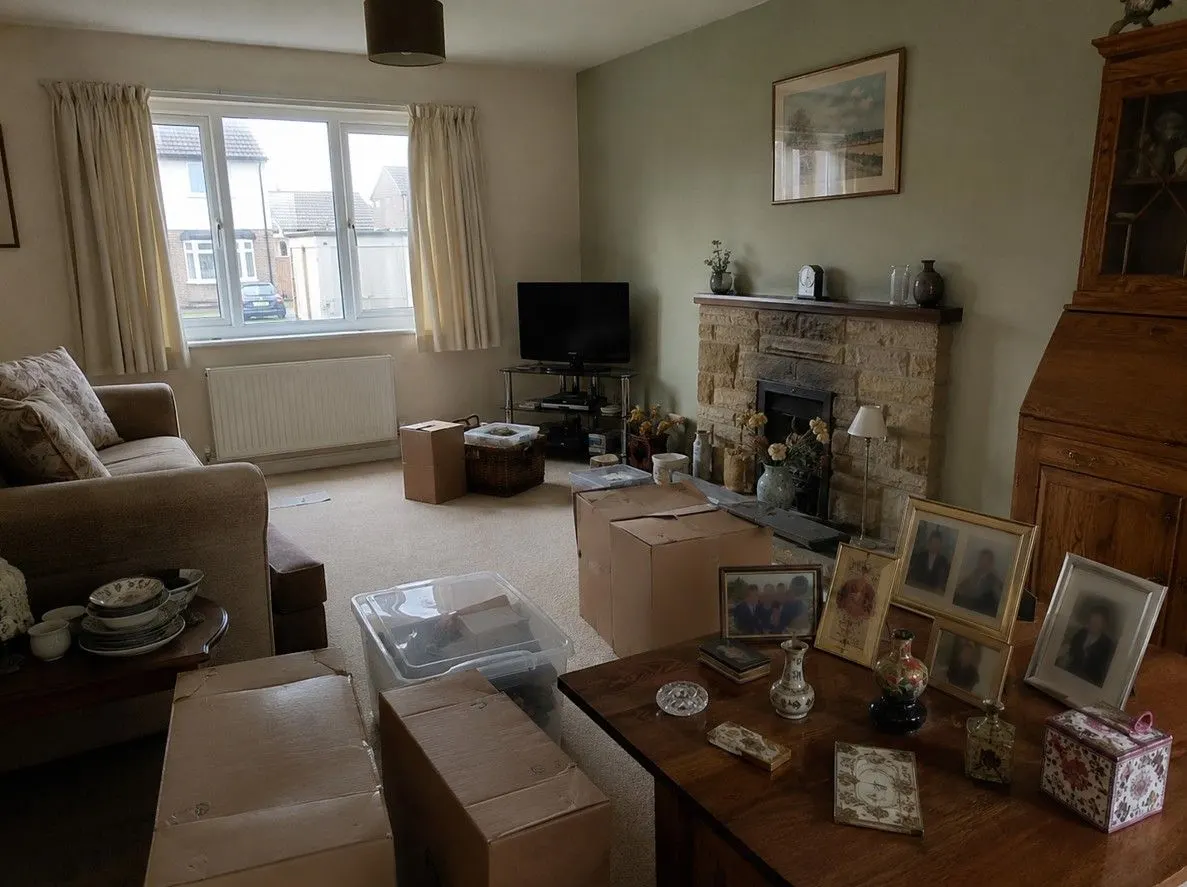
Executors get itemised records while photographs and documents are kept for the family.
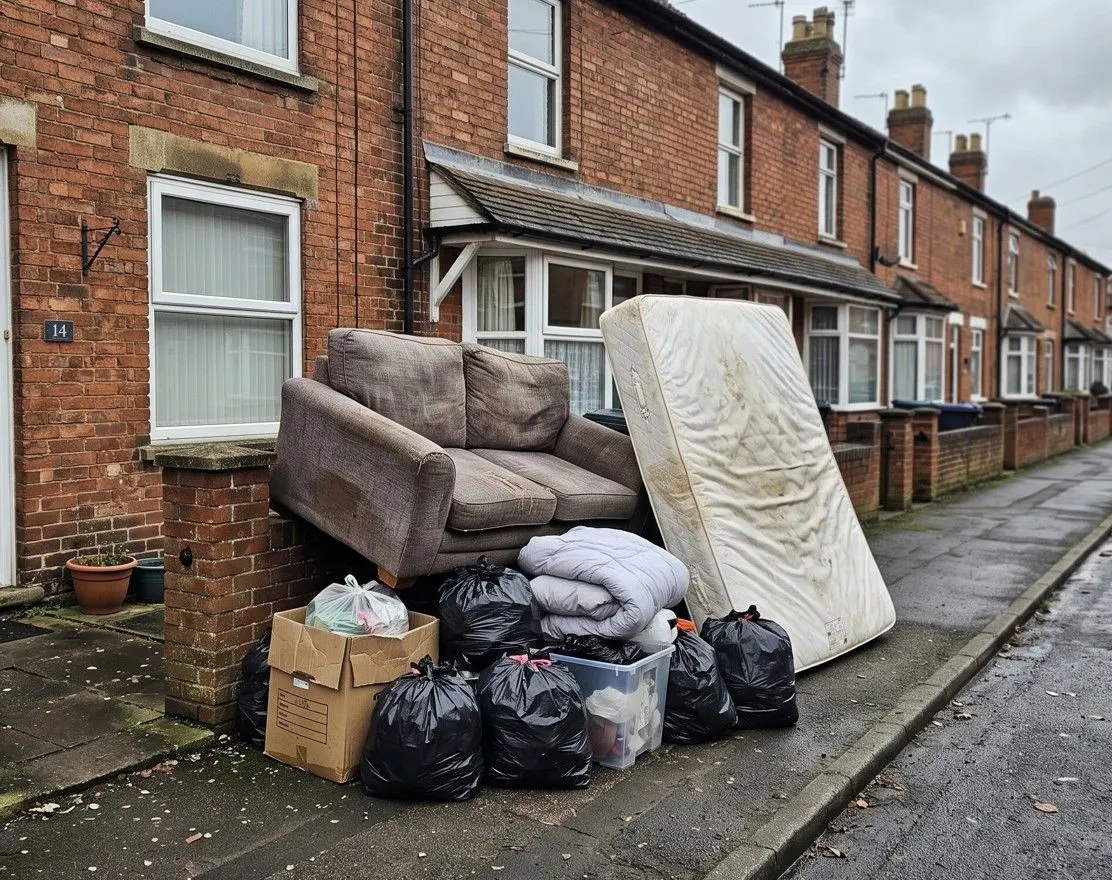
Near the cathedral, bulky items may go out in several smaller loads rather than one big one.
Llandaff is among the oldest parts of Cardiff and doesn’t feel much like a suburb. Around the cathedral and the High Street it has the character of a village, and a lot of the housing is properly period rather than just old. Parts of it sit within a conservation area and some buildings are listed, which can affect what is allowed to be altered or taken out of a property.
Two things follow for a clearance. The older streets were never designed for big vehicles, so getting close to the cathedral green or down the narrower lanes takes some forethought. And period houses that have stayed in one family for generations usually contain items worth stopping to look at, rather than lifting straight into the van.
In a period house, a fair amount of what looks like clutter is really stock for somebody. Panelled doors, cast iron fire surrounds, old door furniture, original basins and baths, floorboards and garden ornaments can all find buyers among reclamation dealers and salvage yards, provided someone spots them before loading begins. We point these out to you instead of clearing them, and fixed period features stay exactly where they are unless you’ve told us clearly that they’re meant to go.
Clearing the contents of a listed Llandaff house is no different from any other home. Fixtures are another matter: in a listed building or within the conservation area, taking out or changing certain features can need consent, whoever does the work. We clear contents and don’t give planning advice, so if there’s any question over whether something can come out, Cardiff Council’s conservation team or your architect should have the final word. Until they do, anything doubtful is left in place.
The oldest streets have tight lanes, awkward turning and very little parking, particularly close to the cathedral green. It can all be done, but you can’t simply reverse up to the door and start loading. We look at the route before the day, bring a smaller vehicle and run extra trips if that’s the sensible option, and avoid the busiest times. Give us the address when you get in touch so the logistics are settled well before we arrive, not worked out in the street.
Llandaff’s closest council recycling centre is Bessemer Close in south-west Cardiff. Visits must be booked, proof of booking and proof of address are checked, and loads have to fit in a car boot. Vans and cars with trailers are permitted one visit a month, and only small DIY jobs are catered for.
Cardiff’s bulky collection will take up to six items from a residential address for between £15 and £45, plus a £5 booking fee, but it refuses pianos, glass doors and garden waste. Neither service will sort contents for auction, recognise salvage or keep to a probate timetable, which is usually what a Llandaff period property needs.
On a period property, the measure of a clearance is what gets noticed, not only what gets taken away. Our Cardiff contacts include auction houses, salvage dealers, charities and recyclers, we’re registered waste carriers, and we work every day from 7am to 9pm. Photographs are enough for us to quote in most cases, quotes are free, and we’re rated 5.0 on Google.
Correspondence address: 38 Lewis Rd, Llandough, Penarth, Cardiff CF64 2LW